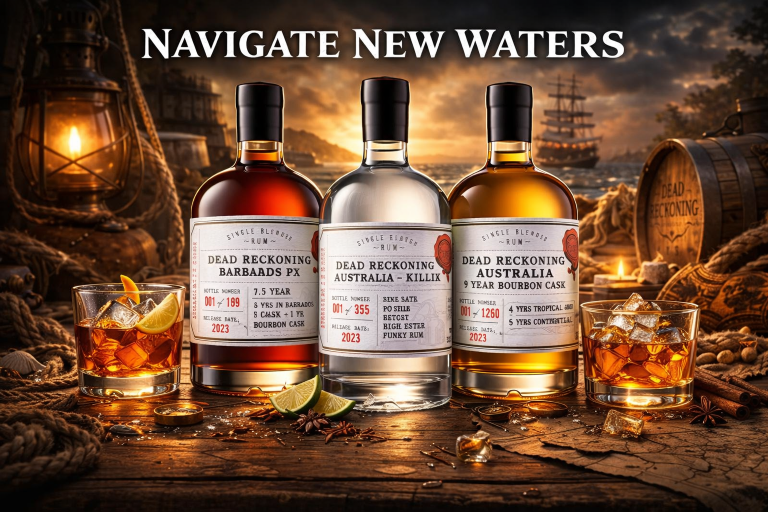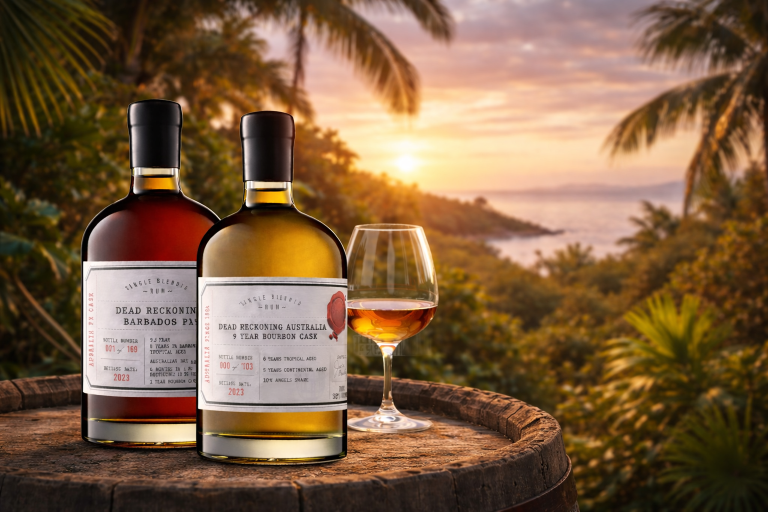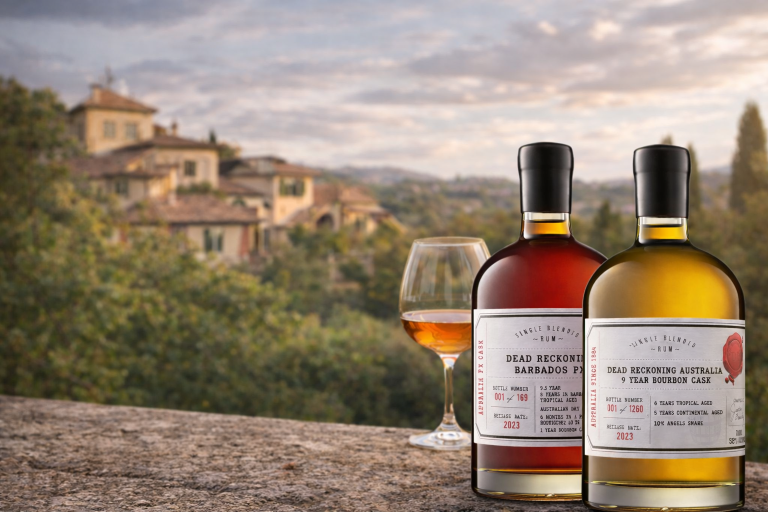
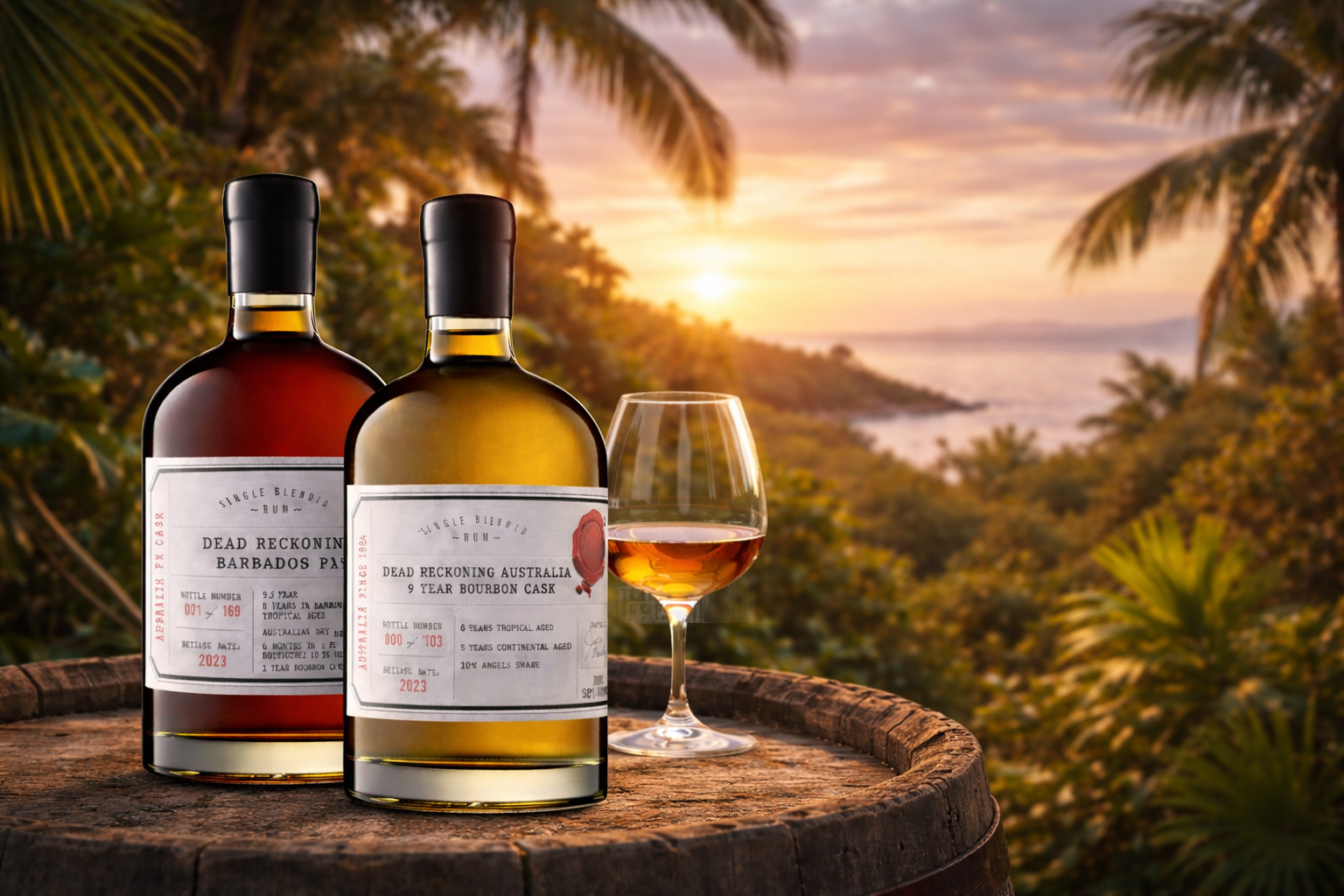
Barbados holds a special place in rum history. This small Caribbean island, just 34 kilometres long and 23 kilometres wide, is widely credited as the birthplace of rum — and for good reason. The combination of fertile sugarcane fields, traditional pot still distillation, and centuries of accumulated expertise makes Barbados one of the world’s premier rum-producing regions.
A History Written in Sugarcane
The story of Barbadian rum begins in the 17th century, when English colonists discovered that molasses — the thick, dark byproduct of sugar refining — could be fermented and distilled into a potent, aromatic spirit. From those humble beginnings, Barbados developed a tradition of rum-making that has been refined over more than 350 years.
What emerged from this long tradition is a distinctive Barbadian style: lighter and more elegant than Jamaican rum, richer and more complex than Trinidadian expressions, with a characteristic floral note and tropical fruit character that is immediately recognisable to experienced tasters.
Why We Choose Barbados
When Dead Reckoning sources base spirits for our Barbados expressions, we’re looking for that classic Barbadian character — the floral lift, the tropical fruit, the gentle molasses sweetness — that will serve as the foundation for our South Australian ageing and finishing process.
- Traditional pot still distillation produces a fuller, more flavourful spirit
- The Barbadian climate creates ideal fermentation conditions
- Centuries of expertise mean consistently exceptional base spirits
- The lighter Barbadian style allows our finishing casks to add character without overwhelming the base
Dead Reckoning + Barbados = Something New
When we take a traditional Barbados rum and subject it to our South Australian dry ageing process, something remarkable happens. The dry, variable climate of South Australia concentrates the flavours in a way that tropical ageing never could — intensifying the fruit notes, deepening the molasses character, and adding a dryness and structure that transforms the rum entirely.
The result is a rum that is simultaneously deeply Caribbean and unmistakably Australian — a meeting of two great rum traditions that creates something neither could achieve alone.